Baby Easel Card: A 3D SVG Shape for Smart Editorial Design
First Impressions: Playful, Polished, and Print-Ready
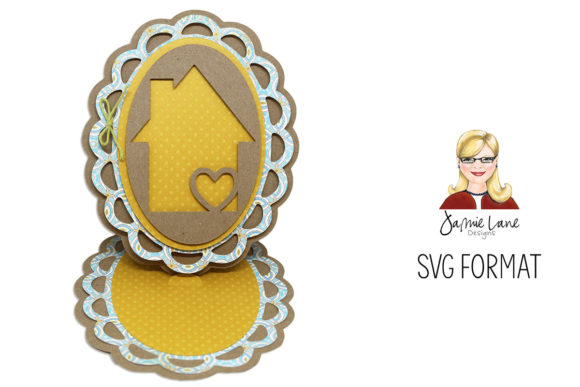
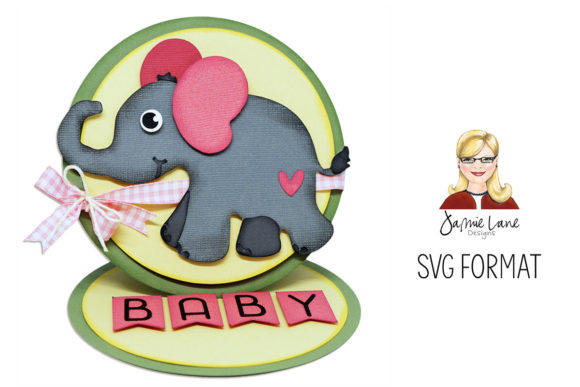
Opening the Baby Easel Card design file, I was immediately struck by its clean, interactive structure. As a blog designer and digital publisher, I’m always on the lookout for design assets that feel both functional and visually engaging. This SVG cutting template delivers a tactile, handmade aesthetic that works beautifully for content creators who want to add a personal, creative touch to their visual storytelling.
The Baby Easel Card folds flat for easy shipping and assembles into a 5x5 inch display. It’s compatible with both 8x12 and 12x12 cutting mats, making it versatile for crafters and digital designers alike. The inclusion of all paper elements ensures you can start creating right away without needing additional resources.
Editorial Mood & Niche Fit: Lifestyle, Kids, and Creative Content
This design asset leans heavily into a playful, artistic, and slightly feminine editorial mood. It’s ideal for lifestyle blogs, parenting content, baby showers, educational printables, and children’s media. If you run a blog focused on early childhood development, DIY crafts, or educational resources, this Baby Easel Card can become a recurring visual theme that readers instantly associate with your brand.
It doesn’t feel overly corporate or formal, so it’s best suited for niches that value warmth, creativity, and approachability. Think parenting blogs, preschool activity sites, teacher resource hubs, or even small businesses selling baby-related products.
Real-World Publishing Uses for Baby Easel Card
As a content creator, I’m always looking for design assets that can be repurposed across multiple formats. Here’s how I see the Baby Easel Card fitting into a real publishing workflow:
- Featured images with an interactive visual hook for baby-related blog posts
- Pinterest pins that highlight the foldable design for craft and parenting boards
- Newsletter headers that introduce a downloadable baby activity guide or checklist
- Lead magnet visuals for opt-in forms offering printable baby name cards or learning charts
- Blog graphics to accompany DIY craft posts or educational activities
- Social media previews for Instagram carousels or Facebook posts about baby milestones
- Canva templates shared with your audience for crafting their own baby memory cards
- Digital guides and worksheets where the easel design can be used as a decorative layout element
How Baby Easel Card Elevates Content Performance
From a visual communication standpoint, this graphic design asset does more than just look cute. It supports better editorial engagement by creating a stronger visual hierarchy and a more memorable first impression. When readers see this design in your blog graphics or email headers, it signals creativity and care—two key factors in building reader trust.
Used consistently, the Baby Easel Card can help establish a stronger visual identity for your blog or digital product line. It’s especially effective for category thumbnails, content upgrades, and downloadable printables where a tactile, hands-on feel is desired. It also works well as a supporting element in affiliate marketing content, such as product comparison charts or gift guides for baby items.
Where This Design Asset Works Best
Here are the top placements where I recommend using the Baby Easel Card SVG design:
- Hero images that introduce a baby-related blog series or guide
- Article thumbnails for craft and parenting content
- Pinterest pins that showcase the easel card’s 3D effect
- Blog graphics for step-by-step tutorials or printable templates
- Newsletter headers that promote a downloadable baby resource
- Content upgrades like name flashcards or milestone trackers
- Digital printables sold as part of a parenting or teacher resource pack
- Social media previews for blog posts or product announcements
Where to Use Baby Easel Card with Caution
While this design asset is versatile, it’s not a one-size-fits-all solution. I’d recommend using it carefully in the following contexts:
- Small mobile thumbnails where intricate details may not render clearly
- Text-heavy blog images that could become visually cluttered
- Low-contrast backgrounds that make the design hard to read
- Busy editorial layouts that already have multiple visual elements
- Corporate or serious professional niches where a minimalist aesthetic is preferred
- Monochrome branding systems that require strict color consistency
- High-performance content sites that prioritize ultra-fast load times
- Minimalist websites that avoid decorative or illustrative visuals
Publisher’s Checklist: Practical Notes for Using Baby Easel Card
Before integrating this SVG cutting template into your blog or digital product, I recommend the following tests and checks:
- Test on desktop and mobile screens to ensure clarity and responsiveness
- Preview as a thumbnail to see if the design holds up in smaller sizes
- Place inside a real blog layout to check how it interacts with body text and headlines
- Try with headline text to ensure readability and visual balance
- Check contrast and readability against different background colors
- Experiment with font pairings like serif, sans serif, script, and display fonts
- Review file size for web performance and compress if needed
- Confirm commercial licensing before using in monetized content, affiliate marketing, or paid digital products
Final Thoughts: A Thoughtful Design Asset for Content Creators
The Baby Easel Card is more than just a cute SVG template—it’s a smart editorial design choice for bloggers, digital publishers, and small business owners who want to add warmth, creativity, and professionalism to their content visuals. Whether you’re creating Pinterest pins, lead magnets, Canva templates, or digital guides, this 3D SVG shape can elevate your visual storytelling and help your content stand out in a crowded digital space.
For those in the parenting, education, or creative lifestyle niches, this design asset is worth adding to your toolkit. Just remember to test it thoroughly in your content workflow, pair it with your brand fonts, and use it strategically to reinforce your visual identity and editorial quality.