Christmas Multi Layer Files: A Designer’s Real-World Review
First Impressions: Festive, Layered, and Ready for Embroidery
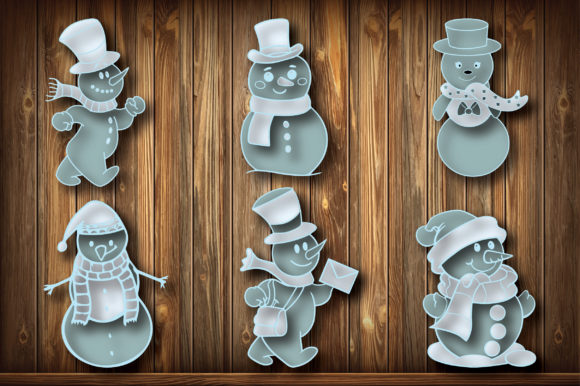
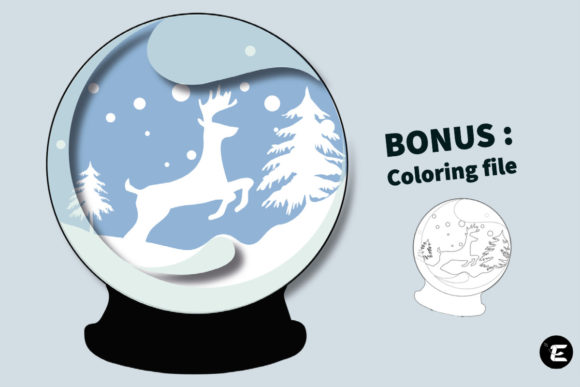
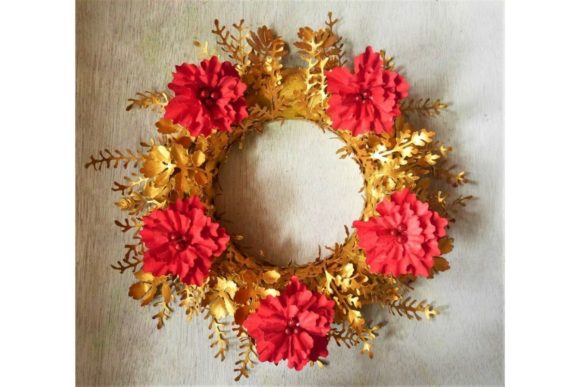
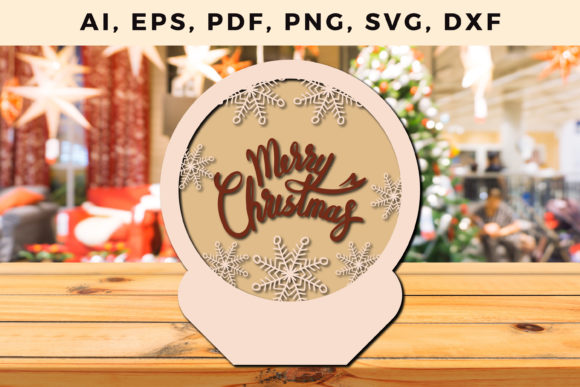
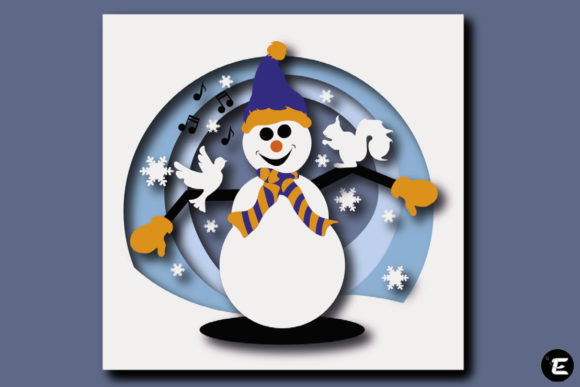
Opening the ZIP folder for Christmas Multi Layer Files, I immediately noticed the clean structure of the included SVG, EPS, and PNG files. The layered layout suggests thoughtful design planning, which is a big plus for embroidery work. The design carries a warm holiday mood with its multi-layered elements—perfect for seasonal projects without feeling overly cluttered.
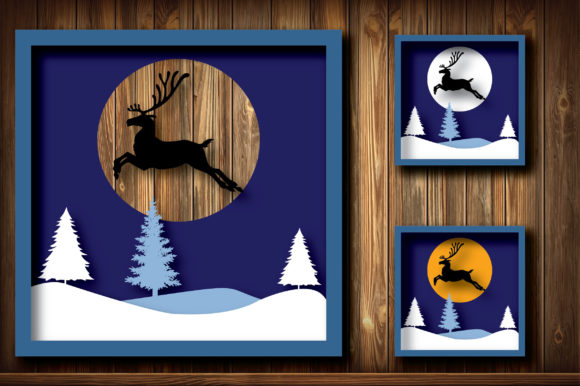
From a visual standpoint, the theme is classic Christmas with a modern twist. It doesn’t lean too heavily into traditional iconography, making it versatile for a variety of products. The design layout feels balanced, which is essential when translating it into stitched form. The layered structure gives depth, especially when considering how it might translate into 3D effects on fabric.
Real-World Use: From Sweatshirts to Holiday Gifts
I recently tested Christmas Multi Layer Files on a custom embroidered tote bag and a crewneck sweatshirt. On the tote, the layers created a dimensional look that elevated a simple item into something boutique-worthy. The same design stitched cleanly on the sweatshirt, with the layered elements standing out nicely against the textured fabric.
For a small business owner or Etsy seller, this design offers flexibility. It works well on baby onesies, where a soft holiday touch is needed without overwhelming the tiny space. On caps and patches, the layered effect holds up surprisingly well, especially when using a medium-weight stabilizer and selecting thread colors that contrast slightly with the base fabric.
The file also lends itself well to holiday-themed personalized gifts. I tried it on a kitchen towel with a name embroidered underneath, and the result was both festive and refined. For boutique product branding, this design could easily be incorporated into packaging or custom tags, especially when paired with a clean, minimalist layout.
Where to Use It Carefully: Fabric, Size, and Detail Considerations
While Christmas Multi Layer Files performs well on many surfaces, it does require attention to fabric type and project scale. On stretchy knits or thin cotton, the detailed layers can pucker slightly if not hooped and stabilized correctly. I noticed this most when stitching on a baby bodysuit—some of the finer lines lost clarity due to the tight tension required to keep the fabric taut.
Dark fabrics can also present a challenge. I tested the design on black felt for a holiday pillow cover and found that the lighter top layers didn’t pop as much as expected. A quick fix was adjusting the thread color slightly to create more contrast, but it’s something to consider when planning your color scheme.
For small hoop sizes, this design may not be ideal. The layered structure needs space to breathe, especially if you're aiming for that 3D effect. I tried scaling it down for a cap front, and while it stitched fine, the layering was less noticeable. If you're working on curved surfaces like baseball caps, be sure to test the file first to see how the layers hold up under tension.
Visual Impact and Design Performance
One of the strongest aspects of Christmas Multi Layer Files is how it enhances the perceived value of a finished product. Whether stitched on a linen tea towel or a fleece blanket, the design adds a sense of craftsmanship and attention to detail that customers appreciate. It reads as professional yet approachable—perfect for small shop owners looking to elevate their holiday collections.
In terms of stitching clarity, the file holds up well when stitched at the recommended density. I noticed clean satin and fill stitches with minimal thread breaks or skipped stitches. The layered effect is subtle but effective, especially when using slightly different thread shades for each layer. It gives the design a handcrafted feel without looking overly complex.
For Etsy sellers or craft fair vendors, this design could help establish brand consistency. Used across multiple product types—like tote bags, patches, and gift tags—it creates a cohesive visual identity that customers will recognize. That kind of continuity builds trust and makes your offerings feel more polished.
Designer Notes: What to Check Before Stitching
Before diving into a client project or production run, I recommend testing Christmas Multi Layer Files on a few different fabric types. Start with a midweight cotton or felt to get a baseline, then move to stretchier or textured materials. Pay attention to how the layers align and whether the stitch density needs adjustment.
- Thread color contrast is key—especially on dark or busy backgrounds.
- Use a quality stabilizer to prevent distortion, particularly on thin or stretchy fabrics.
- Check hoop size compatibility before stitching to avoid resizing issues.
- Inspect small details like corners or fine lines to ensure they stitch cleanly.
- Test the design in black and white mockups to see how it reads without color.
Also, make sure to verify licensing before using this design in commercial embroidery or digital product sales. Since the file includes SVG, EPS, and PNG formats, it’s worth checking whether those are all approved for resale or client use.
Final Thoughts: A Versatile Addition to Your Embroidery Library
Overall, Christmas Multi Layer Files delivers solid performance across a range of embroidery projects. It’s especially useful for designers and small business owners who want to add a touch of holiday flair without overcomplicating their designs. The layered structure gives depth and dimension, and with a bit of planning, it can be adapted to many product types.
Whether you're creating personalized gifts, boutique items, or digital mockups, this design helps bridge the gap between handmade charm and professional finish. As with any embroidery file, success comes from testing and adjusting to your specific materials—but Christmas Multi Layer Files gives you a strong foundation to build on.